
Beyond the Famous Trails: Planning a Quieter Hocking Hills Camping Escape

A quieter Hocking Hills camping trip begins with a simple planning decision: enjoy the region’s famous landmarks during the day, then return to a private, low-density basecamp at night.
Hocking Hills is known for dramatic sandstone cliffs, deep gorges, waterfalls, and popular destinations such as Old Man’s Cave and Ash Cave. Those places are worth seeing, but a satisfying trip does not have to revolve around crowded trails or a busy campground. By separating daytime sightseeing from nighttime lodging, travelers can experience the best of the region while preserving time for rest, conversation, campfires, and quiet observation.
Build the Trip Around Two Different Experiences
The most effective Hocking Hills itineraries balance activity with recovery. A popular trail can provide exercise, geological scenery, and memorable photographs. A secluded campsite can offer the slower pace needed to process the day.
This approach works especially well for:
- Couples seeking a peaceful weekend away
- Families who want outdoor activities without constant crowds
- Motorcycle riders exploring southeastern Ohio roads
- Small groups planning a retreat or club gathering
- Professionals looking for a practical way to unplug
- Campers comparing the best places to camp in Ohio
Instead of trying to find one location that offers every experience, travelers can choose a convenient basecamp and plan several daytime excursions from it.

Pair Famous Daytime Landmarks With a Quieter Overnight Setting
Old Man’s Cave for a Classic Hocking Hills Day
Old Man’s Cave is one of the region’s most recognizable destinations, with gorge scenery, rock formations, forest trails, and seasonal water features. It is a strong choice for visitors who want to experience the landscape that made Hocking Hills famous.
Because popular destinations can become busier during weekends and peak seasons, an early start may make the outing more comfortable. After hiking, visitors can return to a private campsite rather than spending the evening in a dense campground loop.
Trothwood Forest’s property information places Old Man’s Cave approximately 26 minutes from the campground, although travel times can vary with traffic, weather, and road conditions.
Ash Cave for Sandstone Scale and Natural Beauty
Ash Cave provides another opportunity to see the area’s characteristic sandstone geology. Its large recess cave and surrounding forest create a different experience from a narrow gorge trail. Visitors should check current park information before traveling, particularly after heavy rain or during seasonal changes.
Ash Cave is approximately 20 minutes from Trothwood Forest according to the campground’s location information. That makes it possible to plan a morning or afternoon visit and still return to camp with enough time for dinner and a relaxed evening.
Lake and Forest Stops for a Slower Day
Not every outing needs to be a strenuous hike. Nearby lakes, nature areas, scenic roads, and small-town stops can help create a more flexible itinerary. A slower day might include:
- A short morning trail
- Lunch in the Hocking Hills region
- A lake or overlook stop
- Time for supplies in McArthur
- An unhurried evening at the campsite
This type of schedule reduces the pressure to maximize every hour. It also leaves room for weather changes, tired children, changing trail conditions, or a spontaneous roadside discovery.
How to Choose an Underrated Camping Basecamp
The phrase “secluded camping Ohio” can describe many different experiences. Some sites are remote but difficult to reach. Others are private but lack practical access to supplies. The best choice depends on how much solitude, convenience, and comfort a particular trip requires.
When comparing private campgrounds or less-developed sites, consider the following factors.
1. Site Spacing
Site spacing often matters more than the total size of a property. A large campground may still feel crowded if tents, vehicles, and fire rings are close together.
Look for clear information about:
- Distance between sites
- Whether neighboring campsites are visible
- Vehicle and generator policies
- The total number of sites
- Whether the property limits group sizes
Trothwood Forest is located on more than 43 wooded acres, with well-spaced campsites designed to feel more private than a conventional campground. The land is intentionally kept minimally developed to preserve its natural character.
2. Access to Practical Supplies
A quiet setting is more enjoyable when basic needs are manageable. Campers should confirm the distance to fuel, groceries, food, and emergency services before arriving.
Trothwood Forest is near McArthur, making it possible to reach town for supplies without giving up the feeling of being away in the woods. This can be particularly useful for families, first-time campers, and motorcycle travelers who prefer not to carry every item for an entire weekend.
3. The Level of Development
Some travelers want electrical hookups, paved roads, and organized recreation. Others prefer a more natural environment with fewer built features.
An underrated basecamp may be a good fit when it offers:
- A forested setting
- Established tent areas
- Fire rings
- Reasonable access roads
- Enough privacy to relax
- Clear expectations about what is and is not provided
The goal is not necessarily maximum remoteness. It is a setting that matches the desired experience.
4. Policies for Dogs and Groups
Travelers should review pet policies and group rules before booking. Dogs are welcome at Trothwood Forest, making the property suitable for campers who want to include their companions in a woodland trip.
The property also accommodates small groups, retreats, companies, and clubs. Larger gatherings should confirm site availability and arrangements in advance rather than assuming that multiple individual reservations will create a coordinated group area.
Plan the Evening Around Sensory Recovery
Camping becomes more restorative when the evening is not treated as an extension of a busy sightseeing day. After returning from the trails, simple activities can help the nervous system shift away from alertness and toward rest.
Natural settings may support stress recovery by reducing the amount of artificial stimulation competing for attention. Quiet sounds, filtered light, and gentle visual movement through the trees can encourage a form of relaxed attention sometimes described in environmental psychology as “soft fascination.”
That does not mean camping guarantees a particular health outcome. Individual responses can vary. However, a low-distraction setting may be able to support a calmer transition from work and travel into rest.
A quiet evening might include:
- Preparing a simple camp meal
- Sitting near a fire
- Listening for frogs, birds, or wind through the trees
- Reading instead of scrolling
- Taking a short walk before dark
- Practicing slow breathing or meditation
- Looking at the night sky after the fire is extinguished
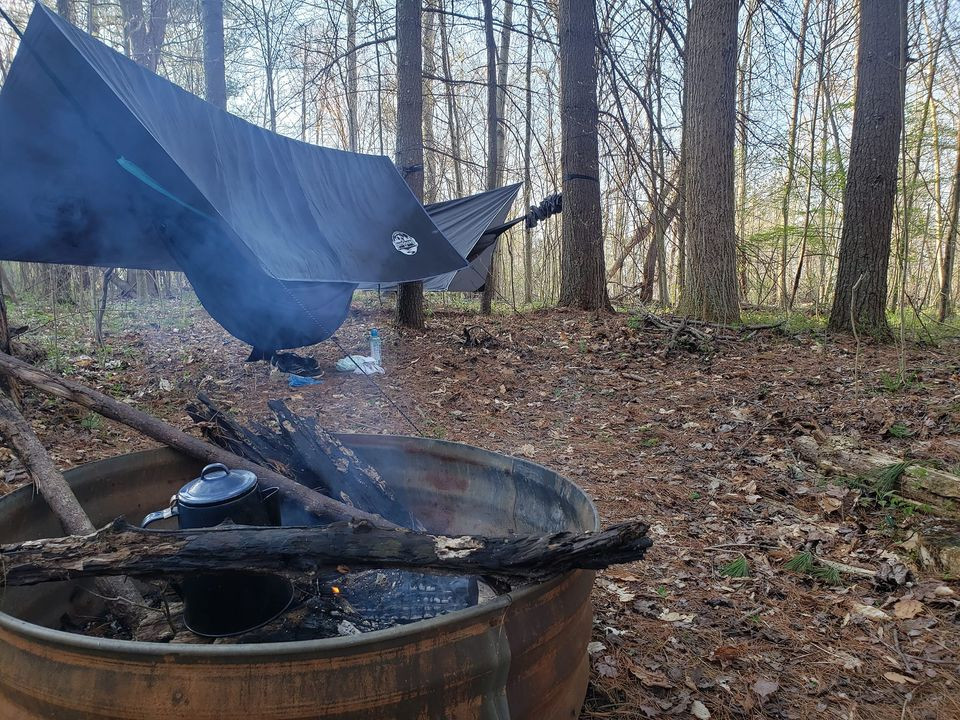
Use a Simple Two- or Three-Day Itinerary
A flexible itinerary can provide structure without making the trip feel rushed.
Day One: Arrive and Settle In
- Check in and establish camp
- Walk around the property to become familiar with the surroundings
- Prepare dinner or collect firewood
- Keep the evening unstructured
The first night is often when travelers begin transitioning away from work routines. Keeping plans light may help the body and mind adjust.
Day Two: Choose One Main Landmark
- Start early for a major hike
- Visit Old Man’s Cave, Ash Cave, or another planned destination
- Schedule time for lunch and supplies
- Return to camp before the evening becomes rushed
- Build in time for a fire, hammock, conversation, or quiet sitting
Choosing one primary landmark often creates a better experience than attempting to visit several major locations in a single day.
Day Three: Take the Scenic Route Home
- Enjoy a slow breakfast
- Walk around camp
- Visit a nearby attraction or lake if time allows
- Pack carefully and leave the site clean
Travelers using a meditation routine may also choose this morning for a short practice before returning to normal schedules. Trothwood Forest offers a downloadable meditation MP4 designed for use while camping, hiking, relaxing outdoors, or continuing the practice at home.
Make the Basecamp Part of the Destination
A private campsite should not be treated only as a place to sleep between hikes. The setting can become one of the main experiences of the trip.
At Trothwood Forest, campers can choose among natural, well-spaced areas suited to tents and hammocks. Firewood is available, and dogs are welcome. A rentable cabin is also coming soon for guests who want the woodland setting without a traditional tent stay. An orchard is planned for the future, along with additional relaxation retreats and natural products.
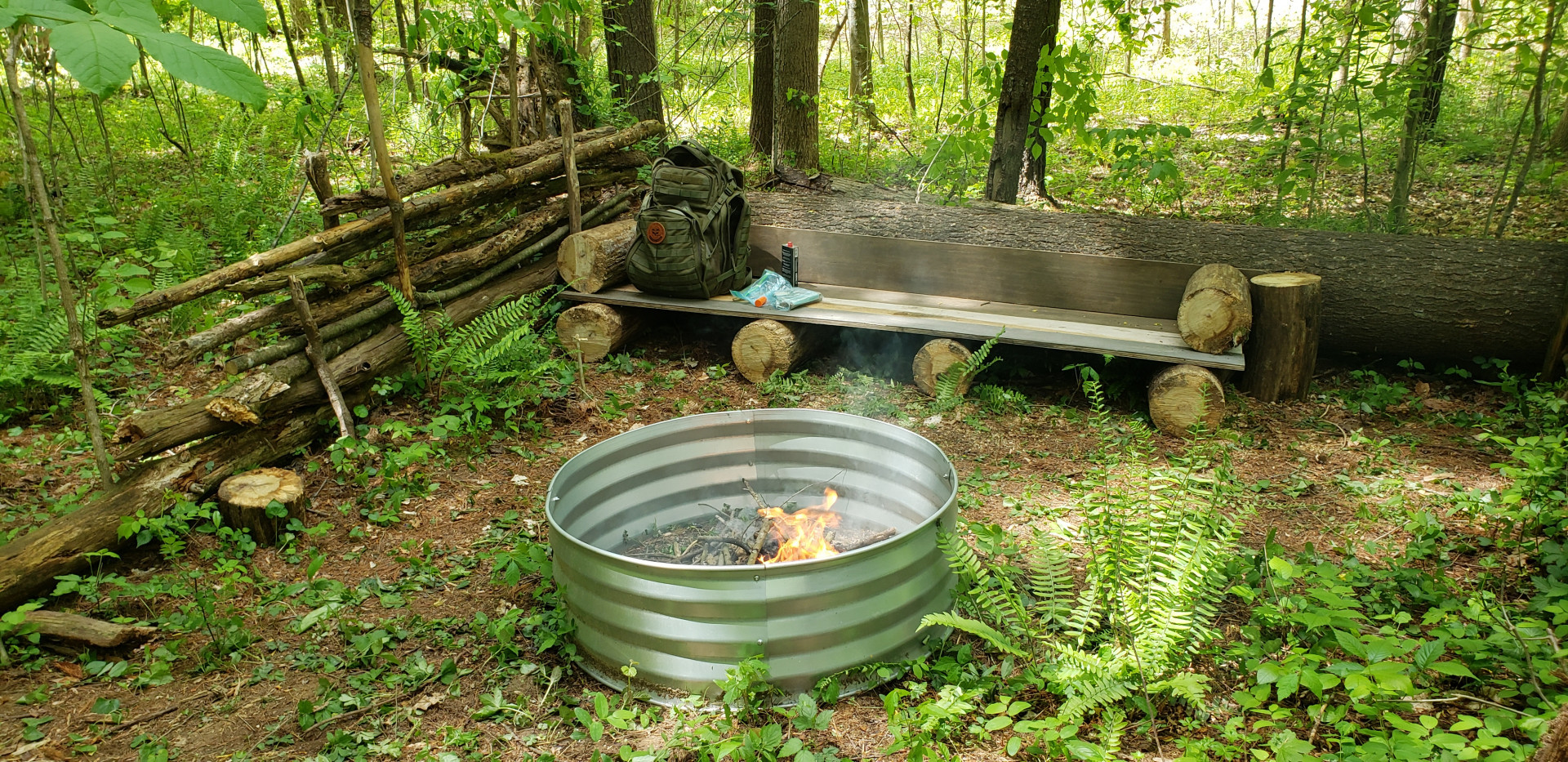
The property is designed for individuals, families, motorcycle campers, and small groups who want affordable access to a quieter outdoor experience near Hocking Hills.
What to Pack for a Quieter Hocking Hills Camping Trip
A practical packing list should reflect both the planned activities and the campsite’s natural setting.
- Weather-appropriate clothing and extra layers
- Comfortable hiking shoes with good traction
- Water and trail snacks
- Headlamps or flashlights
- Insect protection
- A first-aid kit
- Food and cooking equipment
- Dog supplies, if bringing a pet
- A hammock or camp chair
- A book, journal, or meditation audio
- Fire-starting supplies, if needed
- A backup plan for rain
Checking official park information before leaving is also important. Trail closures, fire restrictions, weather conditions, and seasonal rules can change.
Plan a Quieter Escape Near Hocking Hills
The best Hocking Hills camping trip does not require avoiding the famous trails. It requires choosing when to experience them and where to recover afterward.
By pairing popular landmarks with a private overnight setting, travelers can enjoy sandstone gorges, forest hikes, and scenic destinations without allowing crowds to define the entire trip. A low-density basecamp near McArthur provides a practical middle ground: close enough for regional exploration, yet natural and spacious enough for quiet evenings.
Trothwood Forest offers more than 43 acres of minimally developed woodland, well-spaced campsites, affordable camping, firewood, dog-friendly stays, motorcycle camping, and options for individuals, families, and small groups. Visitors can explore the camping sites, check availability, or learn more about the meditation relaxation audio.
A quieter Hocking Hills escape is ultimately about balance: memorable trails during the day, calming sights and sounds at night, and enough unplanned time to reconnect with the woods.