
When Time Off Still Feels Like Work: Rebuilding a Real Outdoor Reset
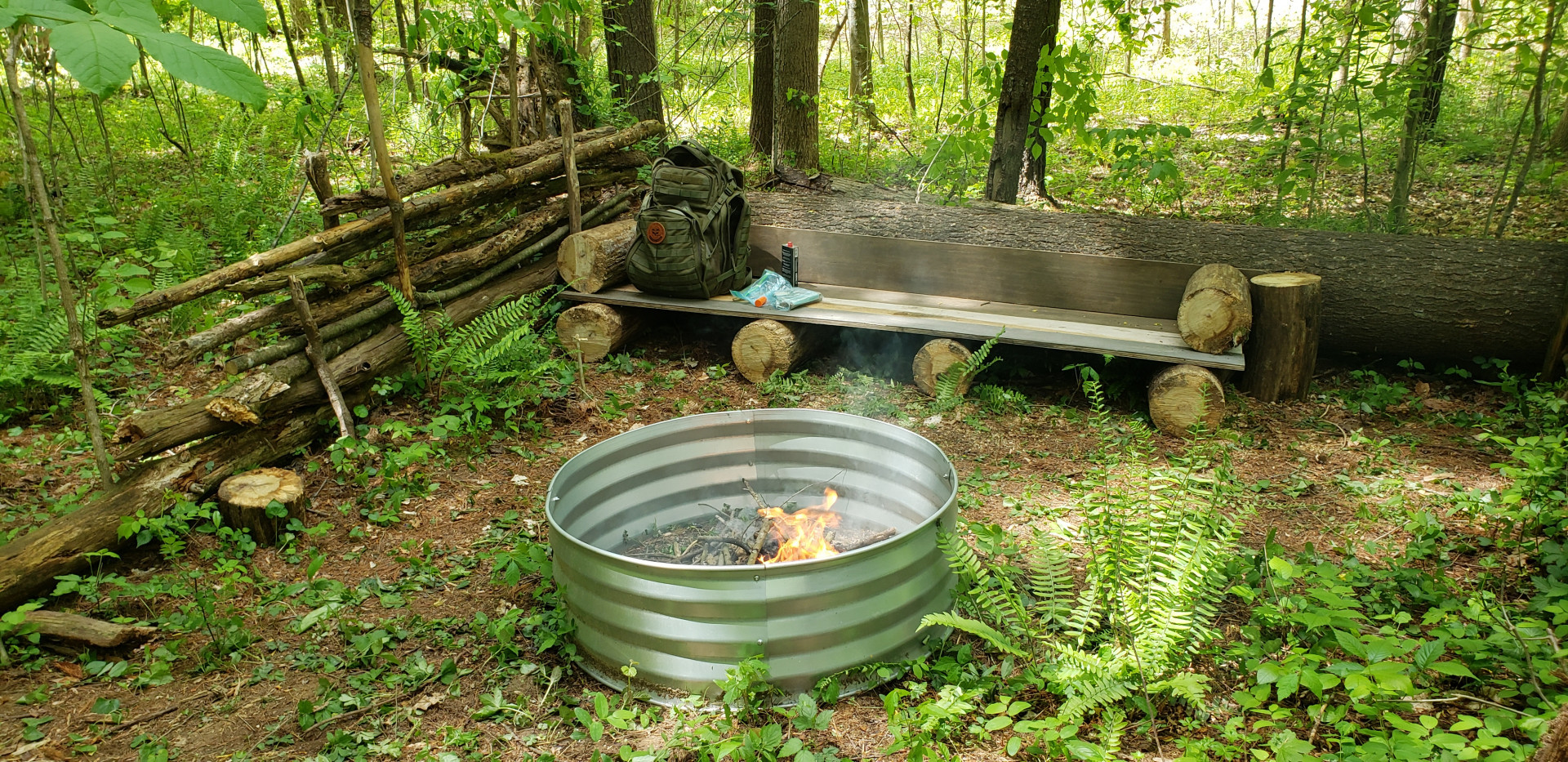
A weekend off becomes genuinely restorative when it changes more than the calendar. It changes the environment, demands, and sensory cues surrounding the mind and body.
Many people take time away from work and still return feeling mentally crowded. The calendar says “break,” but the phone remains nearby, household responsibilities continue, and familiar surroundings keep triggering unfinished tasks. In that situation, time off may reduce scheduled obligations without creating the conditions required for recovery.
A more effective outdoor reset combines psychological detachment, low-demand activity, natural surroundings, and enough unstructured time for the nervous system to gradually downshift. Secluded camping in Ohio can provide those conditions without turning relaxation into another carefully managed project.
Passive Time Off Is Not the Same as Environmental Recovery
Passive time off means that formal work stops. Environmental recovery goes further by changing the cues that keep the brain engaged with work and responsibility.
At home, even an unscheduled weekend can contain reminders of unfinished tasks:
- A laptop remains visible on the desk.
- Notifications continue arriving.
- Household errands compete for attention.
- Familiar rooms are associated with planning, caregiving, or work.
- Free time becomes filled with entertainment that still demands rapid attention.
This arrangement may be physically inactive but mentally active. Work-related thoughts can continue through rumination, problem-solving, and anticipatory planning. Research on psychological detachment from work suggests that mentally disengaging from job concerns during nonwork hours is an important recovery experience, not simply an optional form of relaxation. Research on psychological detachment and recovery links stronger detachment with lower fatigue, improved well-being, and better recovery from work demands.
Environmental recovery uses a different approach. It reduces the number of decisions, changes the sensory setting, and creates a clear boundary between ordinary routines and restorative time. A wooded campsite, a slow walk, a fire, or quiet observation can provide gentle sensory input without requiring constant analysis.
Why the Woods May Help the Body Downshift
Stress is not only a mental experience. It involves coordinated activity in the autonomic nervous system and the hypothalamic-pituitary-adrenal axis, or HPA axis. The HPA axis helps regulate the body’s response to perceived demands, including the release of cortisol. The sympathetic nervous system also contributes to alertness and readiness, while the parasympathetic nervous system supports rest, digestion, and recovery.
Nature exposure does not eliminate stress, and its effects can vary among individuals. However, reviews of forest-bathing and related interventions suggest that time in forest environments may be associated with short-term changes such as:
- Lower salivary cortisol levels.
- Reduced heart rate and blood pressure.
- Increased high-frequency heart rate variability, a measure often associated with parasympathetic activity.
- Reduced sympathetic activation during calm walking or observation.
- Improved mood and perceived relaxation.
A 2010 review of forest-walking studies found that forest settings were associated with lower cortisol and heart rate and greater parasympathetic activity compared with urban environments. More recent reviews reach similar conclusions while emphasizing important limitations, including small study sizes, varied methods, and a stronger evidence base for short-term effects than for lasting clinical outcomes. An umbrella review published in 2024 describes forest bathing as promising for stress reduction but does not support treating it as a substitute for medical or mental health care.
The practical implication is modest but useful: a quiet natural setting may make it easier for the body to move away from constant vigilance. The setting works best when paired with fewer digital interruptions and less performance pressure.

The Redesigned Outdoor Reset
A successful reset does not require a rigid itinerary. It benefits from a simple structure that protects recovery before, during, and after the stay.
Before the Stay: Remove Friction Before It Follows You
The reset begins before arrival. If urgent responsibilities remain unresolved, they may occupy attention throughout the trip.
A short preparation period can include:
- Finishing or delegating genuinely urgent work.
- Setting an out-of-office message or communicating limited availability.
- Turning off nonessential notifications.
- Placing work devices out of reach, rather than relying on willpower.
- Packing familiar meals, clothing, medications, and outdoor essentials.
- Choosing one primary purpose for the stay, such as quiet, sleep, reconnection, or gentle movement.
The goal is not to control every detail. It is to reduce avoidable decisions. Decision fatigue can make a relaxing weekend feel like a sequence of small administrative tasks. Preparing basic logistics in advance allows more attention to remain available for the surroundings.
The destination also matters. A crowded campground may introduce noise, social monitoring, and unpredictable interruptions. Trothwood Forest camping sites are located across 43+ wooded acres near Hocking Hills, with well-spaced, privacy-focused sites and minimal development. That arrangement supports a clearer transition from ordinary routines to a quieter environment.
During the Stay: Use Low-Demand Activities as Transition Cues
The first hours outdoors may not feel peaceful immediately. A person who has been operating under sustained pressure may initially experience restlessness, compulsive phone-checking, or an urge to fill the silence. This does not necessarily mean the reset is failing. It may reflect the gradual process of disengaging from high-frequency stimulation.
A useful arrival sequence is intentionally simple:
- Set up camp without rushing.
- Eat and hydrate.
- Spend a short period without a screen or planned entertainment.
- Notice the forest through sight, sound, temperature, and scent.
- Choose one gentle activity, such as walking, sitting near the fire, reading, or observing wildlife.
Natural settings often create what environmental psychologists describe as “soft fascination.” Leaves moving in the wind, shifting sunlight, birdsong, and changing cloud patterns can attract attention without demanding the same sustained effort as email, traffic, or a screen. This may help restore directed attention while giving executive systems a break from constant task management.
Gentle movement can reinforce the transition. A slow walk on comfortable terrain is not a fitness test. It provides rhythmic motion, fresh air, and changing visual input. For visitors exploring Hocking Hills, one nearby hike can be a meaningful anchor, but a full schedule of attractions may recreate the same time pressure the weekend was meant to relieve.
Breathing can also help, provided it remains comfortable. Slowing the breath and extending the exhale slightly may support parasympathetic activity through normal autonomic regulation. There is no need to force a particular breathing rate or treat the exercise as a performance. The purpose is to provide a steady cue of safety while attention returns to the forest.
A fire can serve a similar function. Gathering supplies, arranging a safe fire, preparing a simple meal, and watching the flames provide tactile activities with clear beginnings and endings. Firewood is available at Trothwood Forest, reducing the need to transport every supply while preserving the enjoyable ritual of camp life.

After the Stay: Protect the Benefits During Reentry
A reset can lose some of its value if the return home immediately becomes another sprint. When possible, leave a small buffer between arrival and the next major obligation.
A useful reentry plan might include:
- Unpacking only essential gear first.
- Avoiding an immediate return to work messages.
- Preparing one uncomplicated meal.
- Recording what helped the body and mind settle.
- Scheduling a short outdoor pause during the following week.
- Identifying one boundary that should continue at home.
The final step is important. A weekend away cannot reliably resolve chronic overwork, inadequate sleep, workplace conflict, or untreated anxiety. If exhaustion persists despite regular recovery opportunities, broader changes may be necessary, including workload adjustments, professional support, or medical evaluation.
The purpose of the post-trip reflection is not to grade the weekend. It is to identify repeatable conditions. Perhaps quiet mornings were more helpful than long hikes. Perhaps privacy mattered more than distance. Perhaps sitting near a fire helped more than filling the day with activities.
Why Secluded Camping in Ohio Can Support This Model
Trothwood Forest is designed for people who want access to nature without the crowded feel of a conventional campground. The property offers:
- More than 43 acres of wooded, minimally developed land near Hocking Hills.
- Well-spaced sites intended to support privacy.
- Affordable camping for individuals, families, and small groups.
- Dog-friendly stays.
- Firewood availability.
- Motorcycle camping for riders exploring the region.
- Space that can support small retreats and gatherings.
A rentable cabin is coming soon for guests who want the setting without a full tent-based experience. An orchard is also planned, with future seasonal fruit adding another connection to the land. Relaxation retreats are in development, and a meditation MP4 is available for purchase for campers who want guided support during quiet time.

A Reset That Is Simple Enough to Repeat
The most effective weekend reset is not necessarily the most active, scenic, or ambitious. It is the one that creates enough distance from ordinary demands for the body and mind to recognize a change in conditions.
That change may involve lower noise, fewer decisions, reduced screen exposure, gentle movement, natural light, and time that is not measured by productivity. Research suggests that forest environments can support short-term reductions in physiological stress markers and improvements in autonomic balance, while psychological detachment helps separate nonwork hours from ongoing job demands.
For a practical starting point, visitors can check Trothwood Forest availability, choose a well-spaced site, and design a stay around one intention rather than a packed schedule. Whether the goal is quiet solitude, family time, motorcycle travel, or a slower weekend with a dog, secluded camping in Ohio can make the transition into rest more tangible.
Time off feels less like work when it is protected before arrival, simplified during the stay, and carried gently into the days afterward. A natural setting cannot solve every source of stress, but it may provide the space, sensory calm, and freedom from constant demands needed to begin resetting.